
My dog keeps licking his private area, and at first, I thought it was just normal grooming. But when it did not stop, I knew something was off. This behavior can be common, but it can also signal irritation, infection, allergies, parasites, urinary issues, or stress. That is why understanding why dogs lick their privates really matters. I noticed this with my own dog after grooming, and it worried me more than I expected.
It felt like a small sign hiding a bigger issue. Over time, I learned the real reasons dogs keep licking their private area and what actually helps.
In this guide, I will share simple causes, clear warning signs, and the best treatment for my dog, who keeps licking his private area, that worked for me.If your dog is doing the same, keep reading. Catching it early can save you stress and keep your dog comfortable.
Why Dogs Lick Their Privates
Dogs lick their privates to stay clean. A little licking is normal. Too much licking can mean a problem. This is the simple answer to why dogs lick their privates. I saw my dog do a quick lick after play. That was fine because dogs clean themselves this way. But when my dog kept licking again and again, I knew it was not just grooming. Normal licking is short and rare. Excessive licking is frequent and hard to stop. Too much licking may mean itch, pain, parasites, infection, or stress. I saw my dog become restless and go back to licking many times. It becomes a problem when it happens often, lasts a long time, or causes red skin. If you see this, take it as a sign and act early.
Common Reasons My Dog Keeps Licking His Private Area
My dog keeps licking his private area for a few common reasons, such as cleaning, itch, pain, or stress. The simple truth is that this behavior usually has a cause, and once you find it, you can treat it.
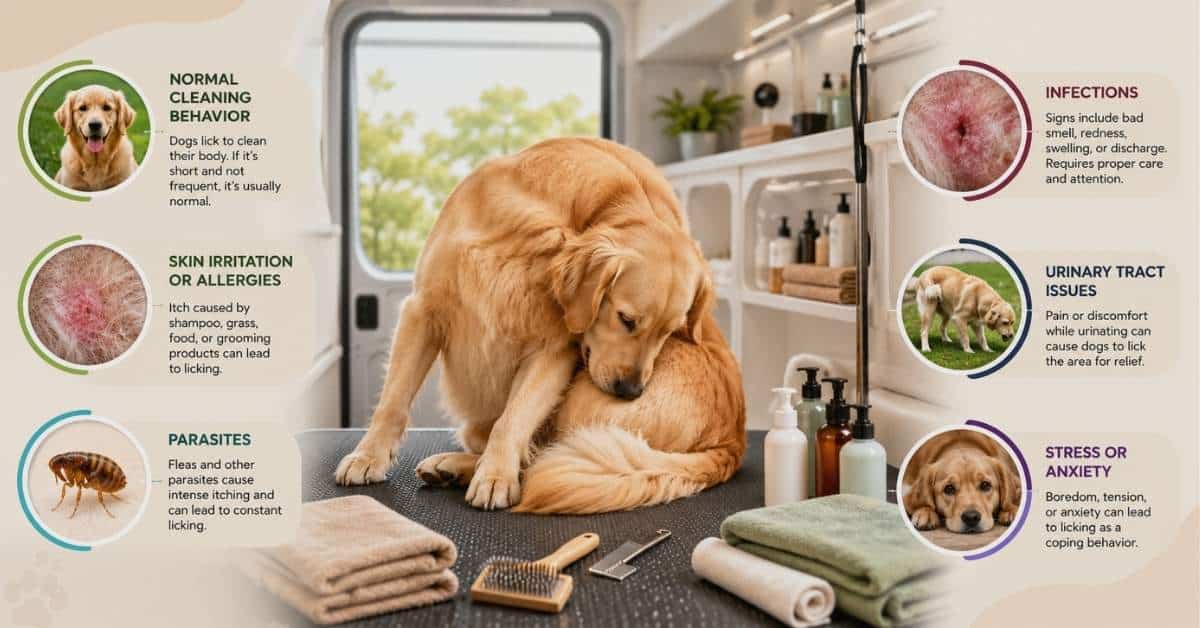
Normal Cleaning Behavior
Dogs lick to clean their body, and this is normal if it is short and not frequent. I saw my dog do this after walks or bathroom time, and it stopped in seconds. When it stays brief and does not happen again and again, there is usually no issue. I treat it like a quick wash and part of daily care.
Skin Irritation or Allergies
Skin itch is a top reason dogs keep licking their private area. It can come from shampoo, grass, food, or grooming products. My dog had this after grooming once, and the licking started the same day.
I noticed red skin and more licking at night. That was my sign that the skin was irritated.
Parasites
Parasites like fleas can cause strong itching and lead to constant licking. Even one flea can start this cycle. I checked my dog and noticed scratching and tiny bite marks. Once I treated the fleas, the licking reduced fast. This showed me how much parasites can affect a dog’s comfort.
Infections
Infection is a serious cause when licking does not stop. Signs may include bad smell, red skin, swelling, or discharge. I once saw my dog licking more, and the area looked sore. That was when I knew it needed proper care, not just waiting. Infections can get worse if ignored.
Urinary Tract Issues
Pain while passing urine can make dogs lick the area for relief. I noticed my dog going outside more often and licking right after. That pattern was a clear warning sign. It was not just licking. It was linked to discomfort.
Stress or Anxiety
Stress can also cause licking as a habit. Dogs may use licking as a coping action when they feel bored, tense, or anxious. I saw this when my dog had less playtime and more alone time. The licking became a routine. Once I added more walks and play, it improved.
When Should I Be Concerned?
You should be concerned when your dog keeps licking his private area often, for a long time, or with signs like redness, swelling, odor, or sores. A few quick licks are fine. Repeated licking is a warning sign you should not ignore.
If the licking happens many times in an hour, it is too much. I noticed my dog could not stop and kept going back again and again. That was not normal grooming. Look for clear skin changes, such as redness, swelling, or raw spots. I once saw the area turn pink and sore, and that told me something was wrong. Also watch for behavior changes. If your dog is less playful, restless, or focused on licking, it may be linked to pain or stress.
See a vet if the licking lasts more than a day or gets worse. Early care can stop bigger problems like infection or skin injury.
My Dog Keeps Licking His Private Area Treatment
My dog keeps licking his private area. Treatment starts with simple care and then fixing the root cause.
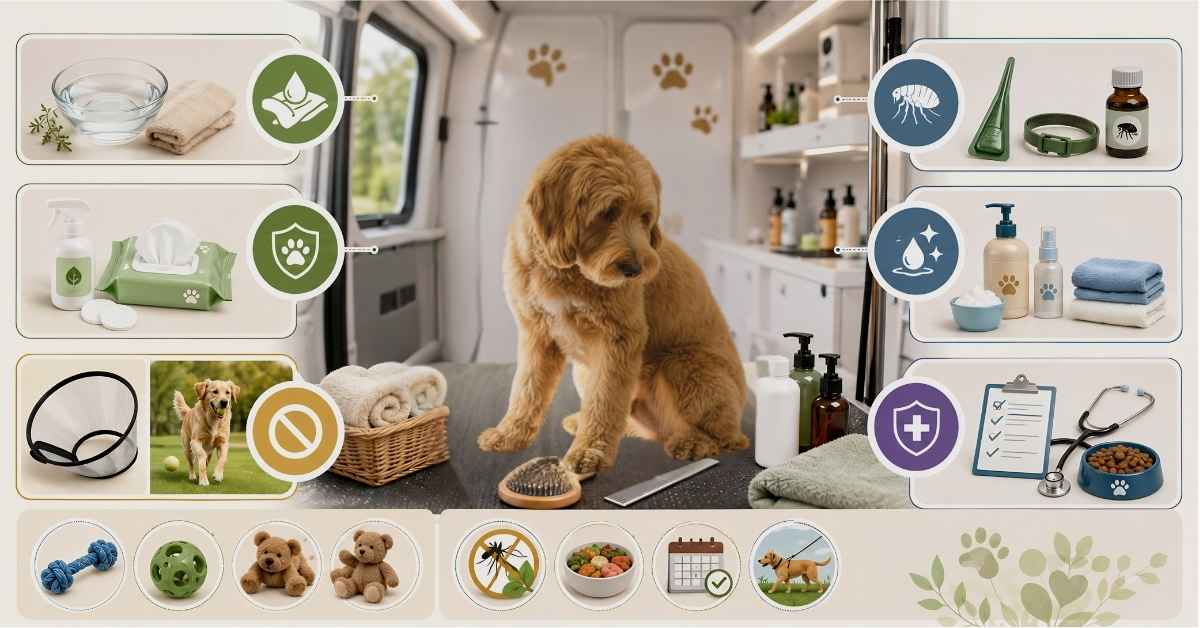
The best results came when I used basic hygiene, safe products, and proper support for the main issue.
Basic Home Care
Clean and dry care is the first step. I used warm water and a soft cloth to gently clean the area once or twice a day. This helped remove dirt and reduce itch. Keeping the area dry is just as important. I made sure no moisture stayed after cleaning. In my case, this small step helped reduce licking.
Using Safe Products
Safe, vet-approved products can reduce itch and protect the skin. I used gentle wipes and a mild spray made for dogs. They helped soothe the area without causing more irritation. I avoided strong products and anything made for humans. Simple and mild care worked best for my dog.
Preventing Licking
Stopping the habit helps the skin heal faster. I used a cone for a few days when the licking became too much. It looked uncomfortable at first, but it worked well. I also added more playtime and short walks to distract my dog. This helped break the licking cycle and gave the skin time to recover.
Treating the Underlying Issue
Fixing the root cause is the most important part of treatment. If the cause stays, the licking can come back. For my dog, I managed skin triggers and kept up with parasite control. In one case, I also followed vet advice for proper care. Once the main issue was treated, the licking stopped. For more information here the website you can learn more – Monsieur Groomer
How I Prevent This Problem in the Future
I prevent this issue with simple daily care. I act early so my dog does not start licking his private area again.
I keep a regular grooming routine. I clean my dog on time and do not wait too long. Clean skin helps stop itch.
I use soft and safe wash only. Harsh products can irritate the skin and make licking worse.
I also check for early signs each day. I look for red skin, swelling, odor, or more licking than usual. This takes one minute but helps a lot.
I focus on good food, fresh water, and a clean sleeping area. A clean bed helps reduce germs, odor, and irritation.
The biggest change was being consistent. Small daily steps helped keep my dog comfortable and free from this issue.
FAQs
Is it normal if my dog keeps licking his private area?
Yes, a little licking is normal. Dogs do this to clean themselves. But if your dog keeps licking his private area often, it may be due to itch, pain, infection, or stress.
How much licking is too much?
Licking is too much if it happens many times in one hour or lasts for a long time. If your dog cannot stop licking, it may be a sign of irritation or discomfort.
Can allergies cause dogs to lick their privates?
Yes, allergies can cause dogs to lick their privates. Food, grass, shampoo, or grooming products can irritate the skin and cause itching.
What can I put on my dog to stop licking?
Use only safe wipes or sprays made for dogs. Do not use strong human products because they can make the skin worse. If the area looks red, sore, or infected, ask a vet first.
When should I take my dog to the vet?
Take your dog to the vet if the licking lasts more than a day, gets worse, or comes with redness, swelling, bad smell, pain, or discharge.
Conclusion
My dog keeps licking his private area can look small at first, but it can mean cleaning, itching, infection, urinary discomfort, parasites, or stress. I learned this the hard way when I ignored it and the licking kept coming back. Once I understood why dogs lick their privates, everything made more sense. Simple care like good hygiene, safe products, parasite control, and watching early signs made a big difference. Sometimes a vet visit is needed, and that can help your dog heal faster.
The main lesson I learned is not to wait too long. Watch your dog closely, act fast when something feels off, and keep a steady care routine. Small daily care can stop a tiny problem from turning into a bigger one.
More info